Human Resource Development in Practice
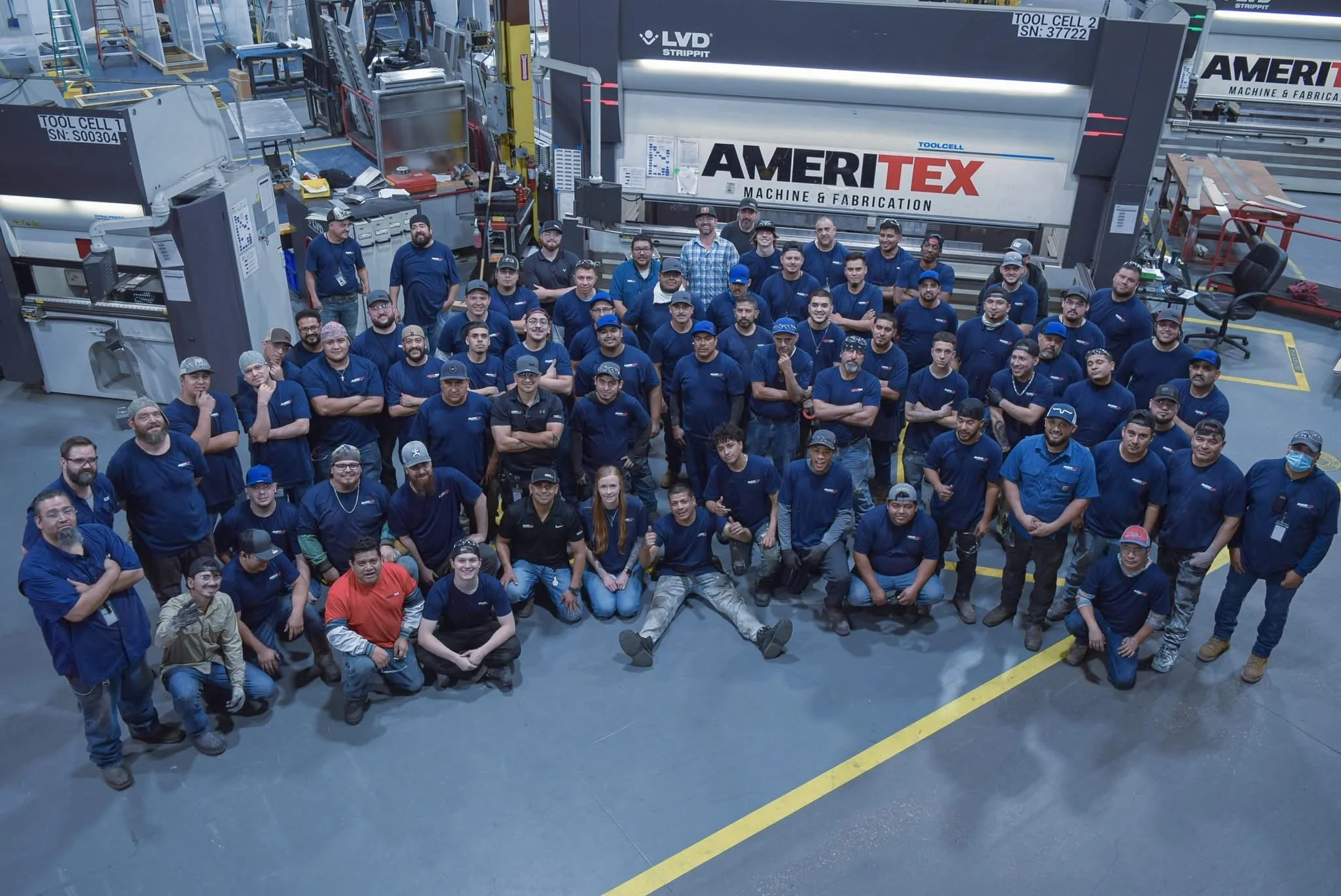
The projects shared here reflect my professional HR work in a realistic setting with my current employer, Ameritex Machine & Fab, LLC, and show how HRD principles guide my day-to-day work. Each project highlights professional judgment, data-informed decision-making, and impact, demonstrating how HRD-informed thinking supports workforce stability and organizational effectiveness.
Early-Tenure Turnover & 90-Day Retention Management

Impact and Outcomes
This work improved organizational awareness of early-tenure turnover trends and supported more informed leadership discussions around workforce stability. By establishing consistent tracking and evaluation of 90-day retention, Ameritex gained a clearer understanding of where early employment breakdowns were occurring and how onboarding and training processes could be strengthened.
The project also reinforced the importance of viewing early employment as a critical development stage rather than a transactional hiring period.
Professional Reflection
This experience strengthened my understanding of early-career adjustment and its impact on retention. Managing early-tenure turnover in a real organizational setting reinforced the importance of clear expectations, structured onboarding, and early supervisory support. It also highlighted the value of using data to move retention conversations beyond anecdotal explanations and toward actionable insight.
Project Overview
Ameritex experienced elevated turnover among new hires within the first 90 days of employment. As the HR Supervisor, I was responsible for monitoring early-tenure employment outcomes, responding to leadership concerns regarding turnover thresholds, and supporting organizational efforts to stabilize the workforce during the onboarding and adjustment period.
This project reflects my ongoing professional responsibility to manage early-career employment outcomes and identify patterns that impact retention during the initial stages of employment.
Workforce Issue
Turnover among employees in their first 90 days created operational disruptions and raised concerns regarding onboarding effectiveness, role clarity, and early employee expectations. Leadership expressed the need to better understand how many employees were exiting early, why these exits were occurring, and whether current onboarding and training practices adequately supported new hires.
Early exits suggested that some employees experienced misalignment between job expectations and actual job demands, contributing to disengagement and premature separation.
Actions Taken
In response, I implemented consistent tracking and monitoring of early-tenure employment outcomes, including:
Monitoring new hire status through the 90-day employment threshold
Tracking voluntary and involuntary early separations
Applying cohort-based retention logic to evaluate early-tenure stability
Reviewing onboarding timelines, supervisory support, and training structure
Communicating trends and concerns to leadership as part of ongoing workforce discussions
These actions allowed for clearer visibility into early-career employment patterns and informed leadership conversations regarding hiring practices, onboarding processes, and role clarity.
Quarterly HR Metrics Reporting for Executive Leadership

Impact and Outcomes
The implementation of quarterly HR metrics reporting improved leadership visibility into workforce trends and supported more informed, data-driven discussions regarding hiring and retention. By standardizing reporting, leadership gained a clearer understanding of how workforce metrics evolved over time rather than viewing issues in isolation.
This work also allowed HR to proactively identify areas of concern, such as early-tenure turnover or department-level trends, and to support leadership conversations with objective data rather than assumptions.
Professional Reflection
This project reinforced the importance of accurate measurement and clear communication in HR practice. Translating workforce data into meaningful insights required not only technical accuracy but also professional judgment regarding what information would be most useful to decision-makers.
Through this work, I strengthened my ability to analyze workforce trends, communicate findings at the executive level, and position HR as a strategic partner within the organization. The experience continues to shape how I approach evaluation, reporting, and workforce planning in my professional role.
Project Overview
As part of my role at Ameritex Machine & Fab, LLC, I am responsible for developing and maintaining quarterly HR metrics reports for executive leadership. These reports provide leadership with consistent, data-informed insight into workforce trends and are used to support strategic decision-making related to hiring, retention, and organizational planning.
This project represents an ongoing professional responsibility rather than a one-time initiative and reflects the application of evaluation and reporting practices within a real organizational context.
Business and Workforce Need
Executive leadership required clear, accurate, and consistent workforce data to better understand employee movement and organizational stability. Prior to the development of structured reporting, workforce discussions often relied on unreliable information rather than standardized criteria.
Key concerns included:
Overall turnover trends
Early-tenure retention outcomes
Headcount growth relative to organizational needs
Time-to-fill and hiring effectiveness
Leadership requested quarterly reporting that could be reviewed, compared over time, and used to identify potential workforce risks.
Actions Taken
To address this need, I developed a structured quarterly HR metrics report that included:
Voluntary and involuntary turnover rates
Cohort-based retention calculations
Headcount growth and workforce composition
Open positions and time-to-fill metrics
Cost-per-hire and hiring trend analysis
I established consistent definitions and calculation methods to ensure accuracy and comparability across reporting periods. Reports were reviewed with executive leadership, feedback was incorporated, and metrics were refined to better align with leadership priorities and organizational goals.
HR Process Standardization & Policy Communication

Impact and Outcomes
Standardizing HR processes and communication improved organizational consistency and reduced confusion regarding roles and responsibilities. Supervisors gained clearer guidance on procedural expectations, and HR was better positioned to manage risk, ensure compliance, and support employees effectively.
This work contributed to smoother operational response during incidents, clearer communication during disruptions, and increased confidence in HR processes across the organization.
Professional Reflection
This project reinforced the importance of clarity and consistency in HR practice. Effective HR systems require more than policies on paper; they require clear communication, shared understanding, and consistent application. Through this work, I strengthened my ability to evaluate organizational processes, implement structure, and communicate expectations in a way that supports both compliance and operational efficiency.
The experience continues to inform my approach to HR leadership, particularly in environments where growth and change require adaptable yet clearly defined systems.
Project Overview
As Ameritex continued to grow, inconsistencies in HR-related processes and communication created confusion among supervisors and employees. In my role as HR Supervisor, I was responsible for clarifying responsibilities, standardizing procedures, and ensuring consistent communication across departments. This work required balancing compliance, operational realities, and clear expectations for both leadership and employees.
This project represents ongoing professional practice focused on strengthening HR systems and improving organizational clarity rather than a single, isolated initiative.
Organizational Need
Several HR related processes lacked consistent ownership or clear communication, leading to confusion and inefficiencies. Issues included:
Unclear delineation of HR versus department responsibilities
Inconsistent handling of workplace incidents and employee support
Variability in supervisor understanding of HR procedures
Ad hoc communication during operational disruptions
These gaps increased the risk of noncompliance, inconsistent employee experiences, and unnecessary operational disruption.
Actions Taken
To address these issues, I worked to standardize HR processes and improve policy communication by:
Clarifying HR and departmental responsibilities for specific situations
Developing clear guidance for supervisors on procedural expectations
Creating standardized communication templates for recurring scenarios
Reinforcing consistent application of policies across departments
Serving as a central point of coordination to ensure alignment and follow-through
These efforts focused on reducing ambiguity, supporting supervisors, and promoting consistent application of HR policies.